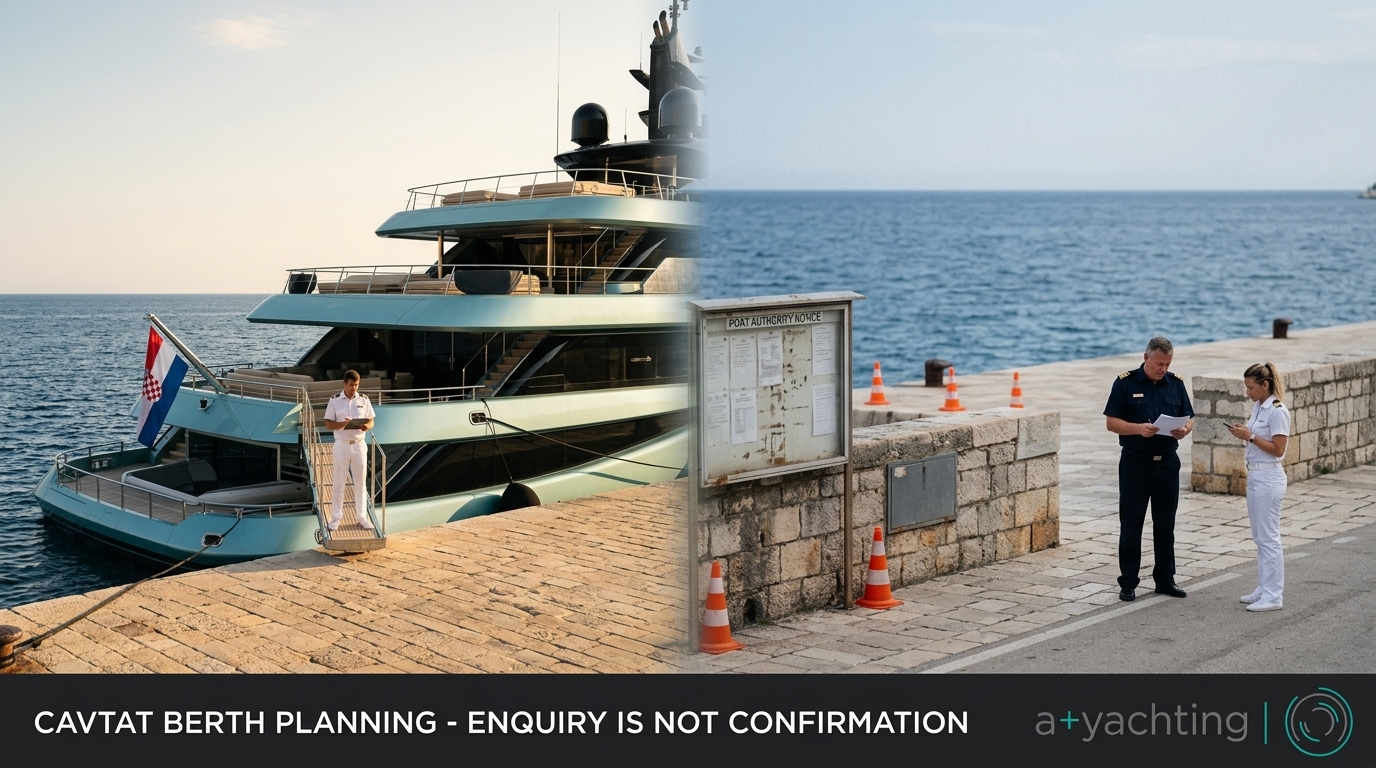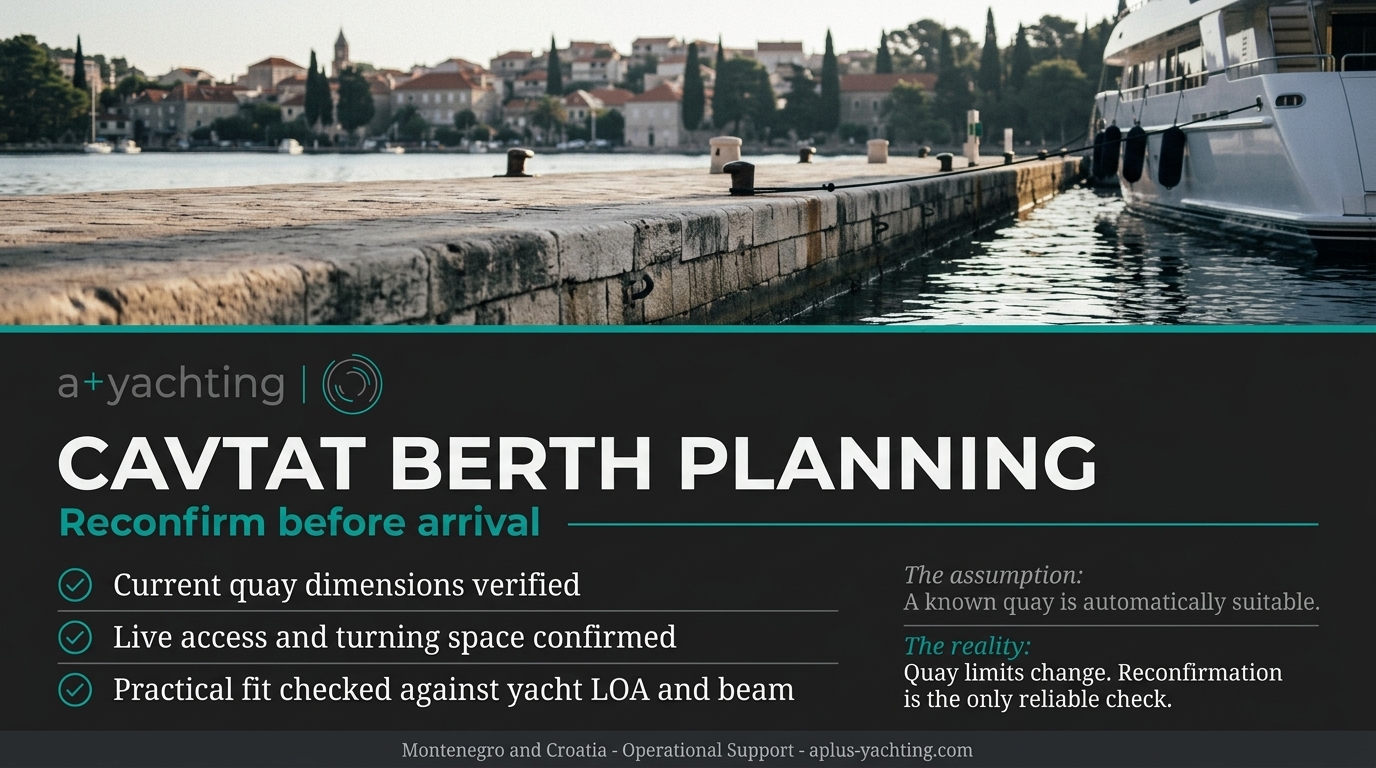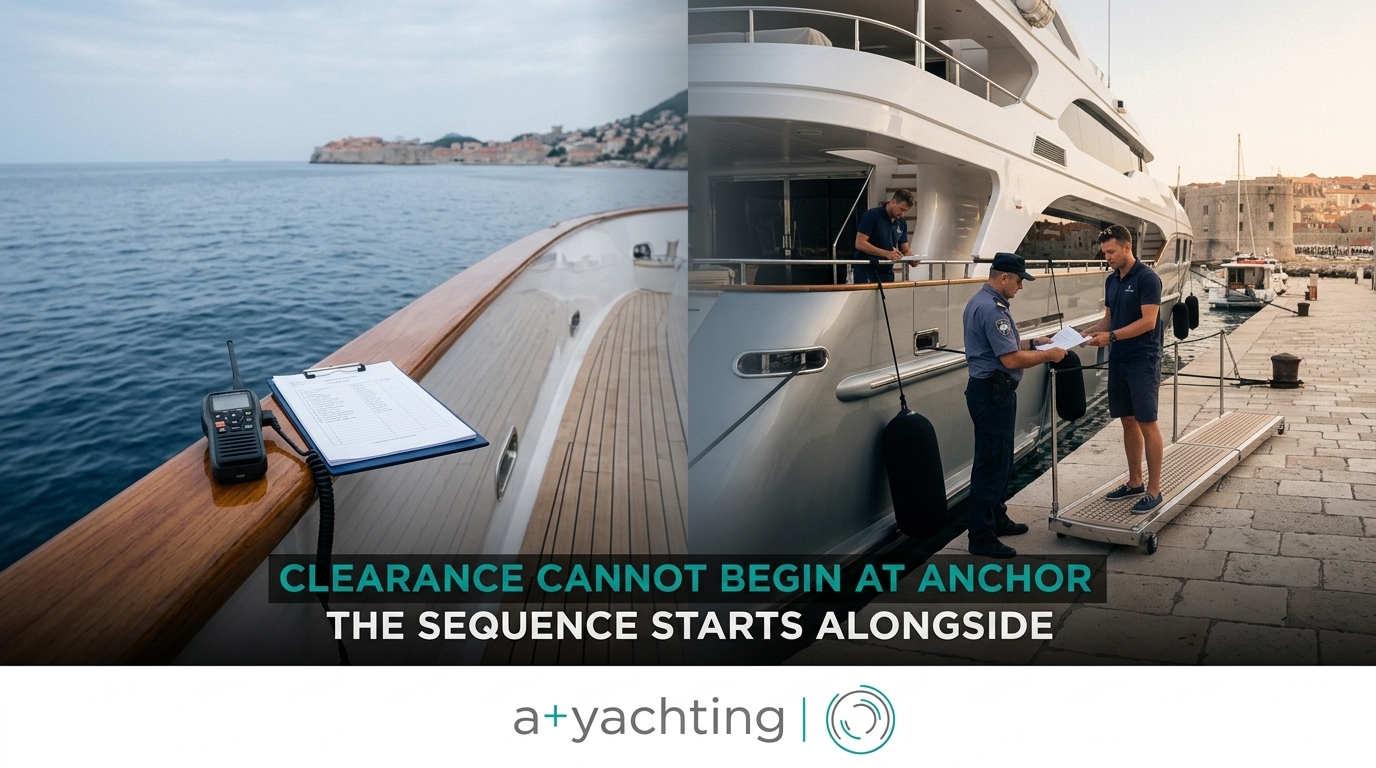
Most captains assume clearance can start the moment they drop anchor in Dubrovnik or Cavtat. That’s not how it works, and that mistake can cost you valuable time. Clearance only begins once the yacht is securely alongside. Planning your berth timing early is the key to avoiding delays and keeping your schedule intact. Here’s why getting this sequence right matters for every yacht arrival in Croatia.
Common Misconception: Clearance at Anchor
Many captains believe they can begin clearance the moment they drop anchor, but this is a costly misunderstanding. In Dubrovnik and Cavtat, clearance must occur when the yacht is alongside. Let’s explore why this misconception can lead to unnecessary delays and how you can avoid them.
Why Clearance Can’t Begin at Anchor
Clearance at anchor isn’t possible because local regulations require yachts to be docked. Without being securely alongside, officials can’t perform necessary checks. This requirement ensures that all formalities are conducted accurately and efficiently.
Relying on clearance at anchor means risking compliance issues. You can’t expect customs or immigration officers to board a vessel that isn’t docked. This approach can delay your schedule significantly. Docking first allows everything to proceed smoothly, keeping your plans intact.
Operational Risks of Anchored Clearance
Attempting clearance at anchor can lead to operational headaches. Without a proper dock, clearance processes are stalled. This affects everything from guest schedules to crew arrangements. The assumption that anchoring is enough puts your entire itinerary at risk.
Moreover, customs officers may refuse service if the vessel isn’t docked, leading to prolonged waiting times. Unplanned delays can disrupt not only your entry but also subsequent plans, resulting in a cascade of issues.
The Essential Role of Berthing
Berthing is crucial for seamless clearance. Once the yacht is alongside, officials can efficiently perform checks and process necessary documentation. This ensures compliance with local regulations and avoids unexpected complications.
Docking first sets the stage for a smooth arrival. It allows for proper coordination with local authorities, minimizing potential misunderstandings. Ensuring your yacht is secured at the berth is the best way to prevent operational hiccups.
Step-by-Step Arrival Sequence
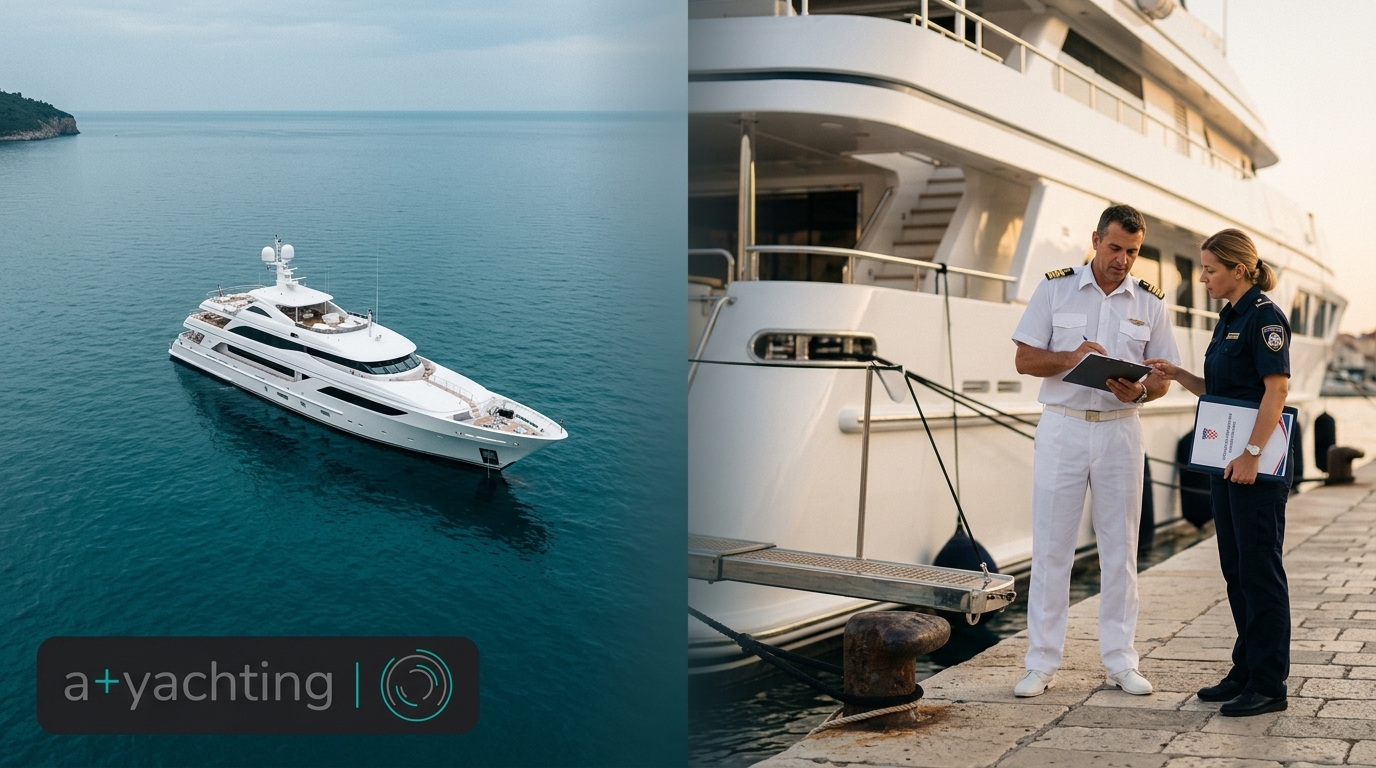
Understanding the correct arrival sequence in Dubrovnik and Cavtat can save you time and stress. Follow these steps to ensure a smooth entry.
Pre-Arrival Preparations
Preparation is key. Begin by ensuring all documents are in order. This includes passenger and crew lists, passports, and any necessary visas. Knowing the exact requirements ahead of time helps prevent last-minute scrambles.
Additionally, contact local authorities well in advance. Inform them of your arrival schedule and confirm docking arrangements. Early communication establishes a clear channel for any updates or changes.
Timing Your Berth Approach
Time your approach to the berth carefully. Arriving during peak times can result in congestion, causing further delays. Plan to dock during less busy periods to expedite the clearance process.
Ensure your crew is ready for docking procedures. Proper coordination and timing are essential to secure your yacht efficiently. A smooth docking process sets the foundation for hassle-free clearance.
Aligning with Local Authorities
Aligning with local authorities early is vital. Notify them of your docking plans and confirm the checklist for clearance. This proactive approach prevents potential misunderstandings and ensures compliance.
Establishing a good relationship with local officials can facilitate smoother operations. Their guidance can be invaluable in navigating any unexpected challenges. Make sure your team is prepared to engage with them promptly and professionally.
Ensuring Smooth Arrivals

A seamless arrival requires meticulous planning and communication. By focusing on documentation and local coordination, you can avoid unnecessary complications.
Importance of Document Readiness
Document readiness is non-negotiable. Ensure all paperwork is complete and accurate before docking. Missing or incorrect documents can lead to significant delays, affecting your overall schedule.
Regularly update and verify all necessary documentation. This proactive measure helps avoid last-minute issues and keeps the clearance process moving swiftly. Preparedness is your best defense against delays.
Communicating with Local Teams Early
Effective communication with local teams can make all the difference. Establish contact with your local agents well in advance. This ensures everyone is aligned on expectations and requirements.
Early communication helps you anticipate any potential issues. It also provides an opportunity to clarify local procedures and make necessary adjustments. Keeping the lines of communication open is crucial for a smooth operation.
Managing Timing to Prevent Delays
Timing management is critical. Properly scheduled arrivals prevent unnecessary waiting times. Coordinate with local authorities to confirm the best times for docking.
Avoid peak periods to minimize congestion. A well-timed arrival ensures the clearance process begins promptly, keeping your itinerary on track. Managing timing effectively is a key component of successful yacht operations in Dubrovnik and Cavtat.
Frequently Asked Questions
1. Can I start the clearance process at anchor in Dubrovnik or Cavtat?
No, clearance must begin with the yacht securely alongside. Attempting to start at anchor will result in delays and possible compliance issues.
2. What documents are needed for clearance in Croatia?
You’ll need complete passenger and crew lists, valid passports, and any necessary visas. Ensure all documents are accurate to avoid delays.
3. Why is timing important for docking in Dubrovnik?
Timing affects congestion and waiting times. Arriving during off-peak hours can expedite the clearance process, keeping your schedule intact.
4. How can early communication with local authorities help?
Early communication ensures alignment on requirements and expectations. It allows for proactive problem-solving and smoother operations.
5. What should I do if there are delays in the clearance process?
Stay in contact with local authorities and your agents. They can provide guidance and support to resolve issues and minimize disruptions.