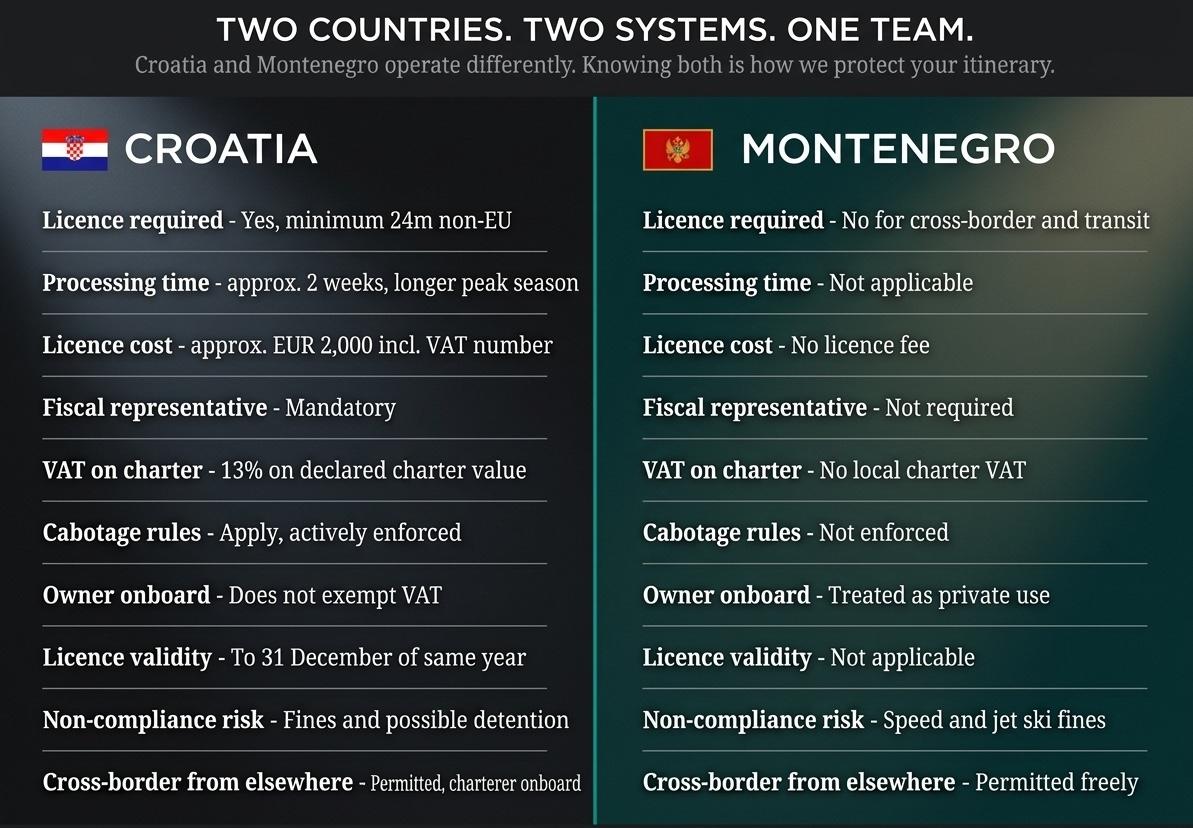
Trying to run your summer itinerary across Croatia and Montenegro like they operate the same way? That’s a mistake many captains make. These two countries follow completely different rules, timelines, and processes that can throw off clearance, provisioning, and berth requests. Knowing this isn’t just about local knowledge – it’s about having one team that adapts quietly behind the scenes, keeping guest service calm while navigating distinct Adriatic yachting operations. Let’s break down what changes from one side to the other, so your next crossing stays smooth.
Navigating Adriatic Yachting Operations
Croatia Yacht Clearance Basics
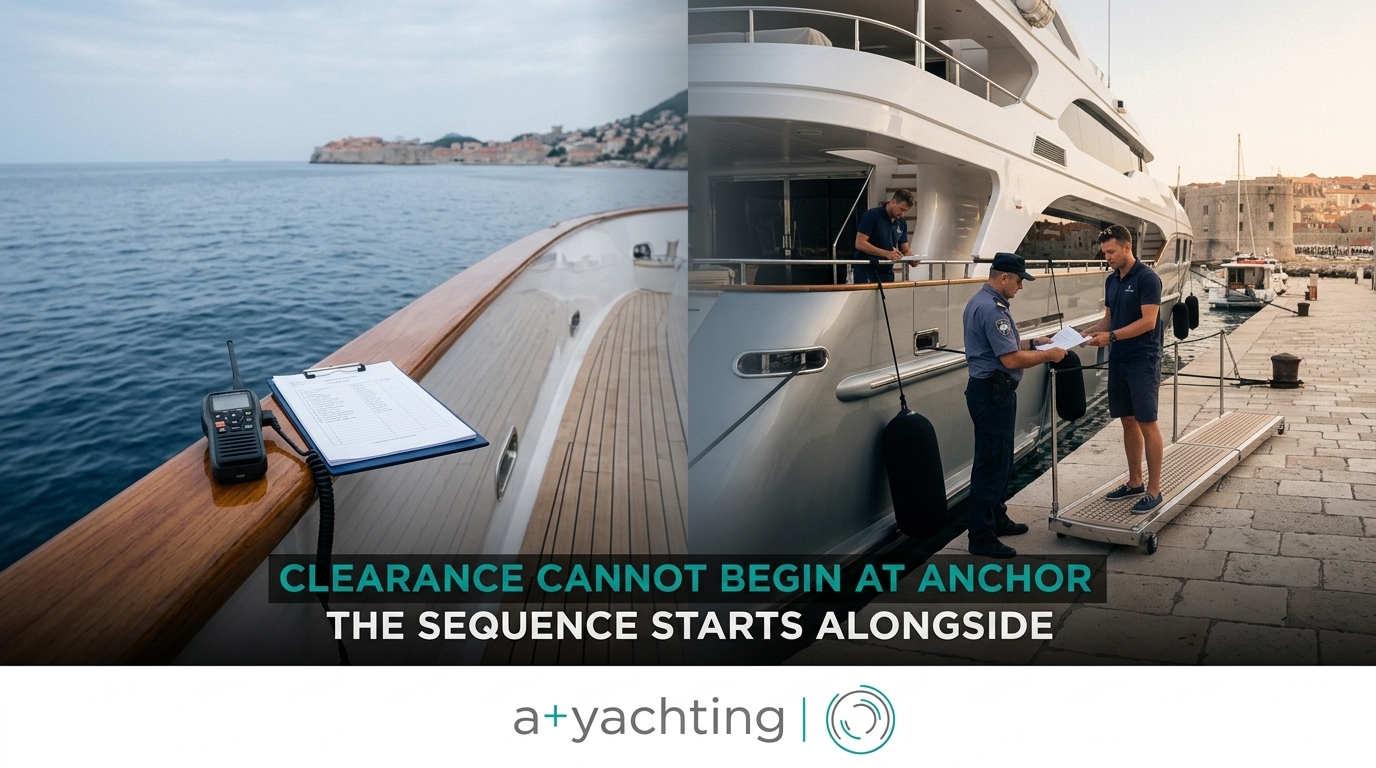
In Croatia, yacht clearance is a structured yet straightforward process, but it’s vital to follow the steps correctly to avoid delays. First, ensure that all relevant documents are ready before arrival. This means having your registration paperwork, crew list, and any necessary permissions in order. Once docked at an official customs dock, a local agent can facilitate the clearance process, which typically takes about an hour. This ensures your yacht can legally enter Croatian waters without any hitches.
Communication with local authorities is crucial. They expect punctuality, so inform them of your arrival time. A local agent’s expertise can smooth out any wrinkles, making sure everything runs efficiently. Remember, this structured approach is designed to keep operations seamless for both the crew and guests.
Montenegro Yacht Clearance Essentials
Montenegro offers a more flexible approach compared to its northern neighbor. Here, the clearance process can differ depending on the port of entry. Larger yachts might even have the option to handle clearance while anchored, though this involves specific fees and arrangements. This flexibility can make Montenegro an attractive entry point for many yachts.
Despite the relaxed atmosphere, it’s essential to comply with local requirements. A seasoned agent can guide you through the nuances of each port, ensuring that your entry is smooth and hassle-free. This adaptability is a hallmark of Montenegrin operations, making it a favored destination for many yachting itineraries.
Cross-Border Yacht Operations
Crossing from Croatia to Montenegro or vice versa requires meticulous planning. Each country’s regulations must be respected, but having one operational team overseeing both sides can greatly reduce friction. This ensures a seamless transition, allowing your guests to enjoy their journey without interruptions.
Key Differences in Procedures
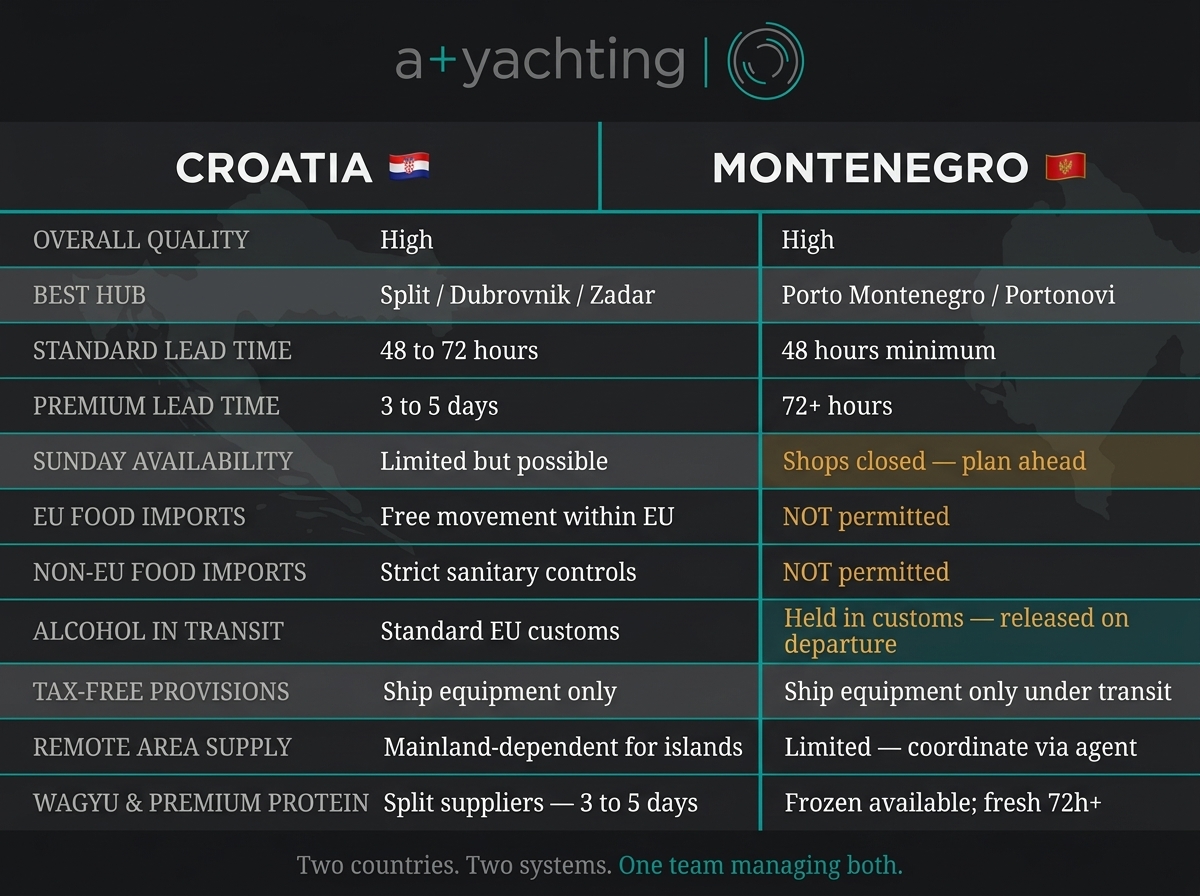
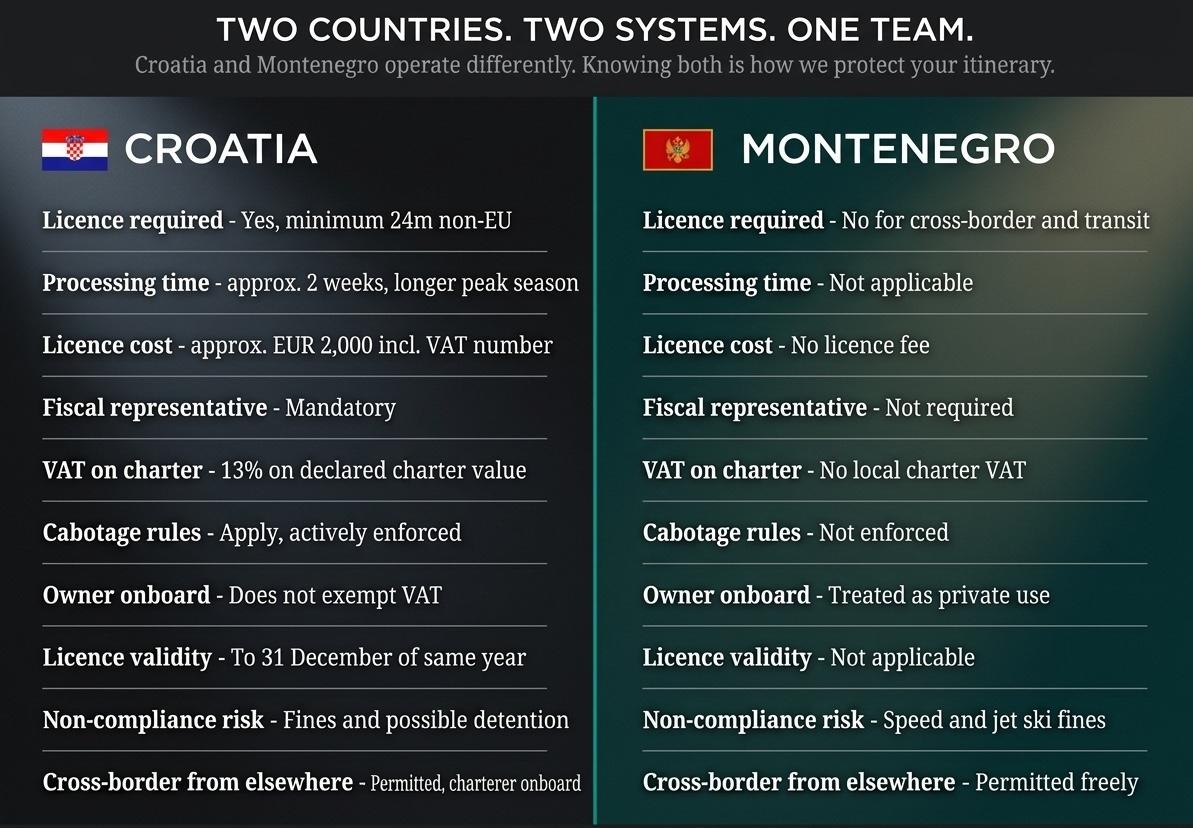
The procedures you’ll encounter in Croatia and Montenegro differ significantly. Understanding these differences can make your operations smoother and more predictable.
Clearance Flow and Immigration
In Croatia, the clearance process is a well-oiled machine, yet strict adherence to protocol is mandatory. Immigration procedures can be time-sensitive, with all crew members needing to be properly documented. Montenegro, by contrast, offers more leniency, with certain ports allowing clearance from anchorage. However, it’s essential to know which ports provide this flexibility to avoid unnecessary fines.
Berth Reservations and Fuel Logistics
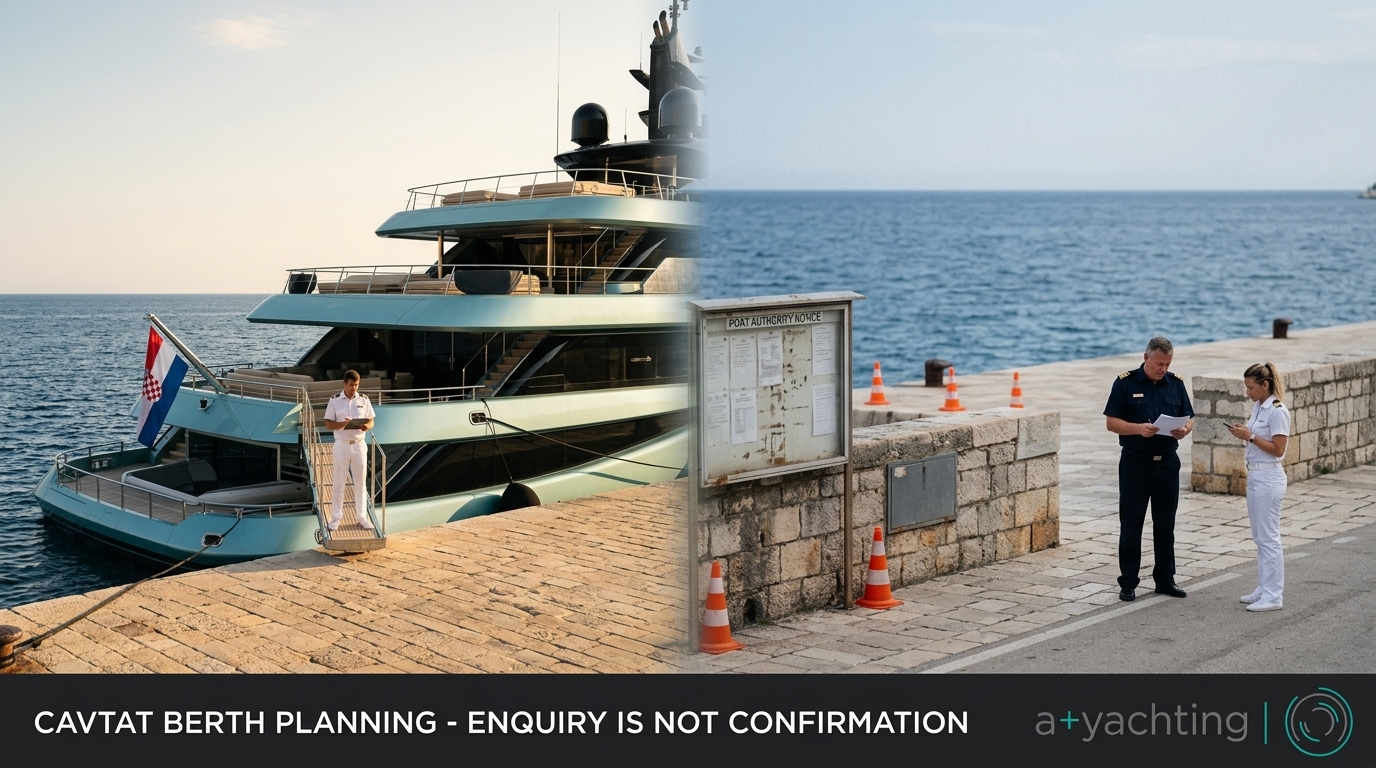
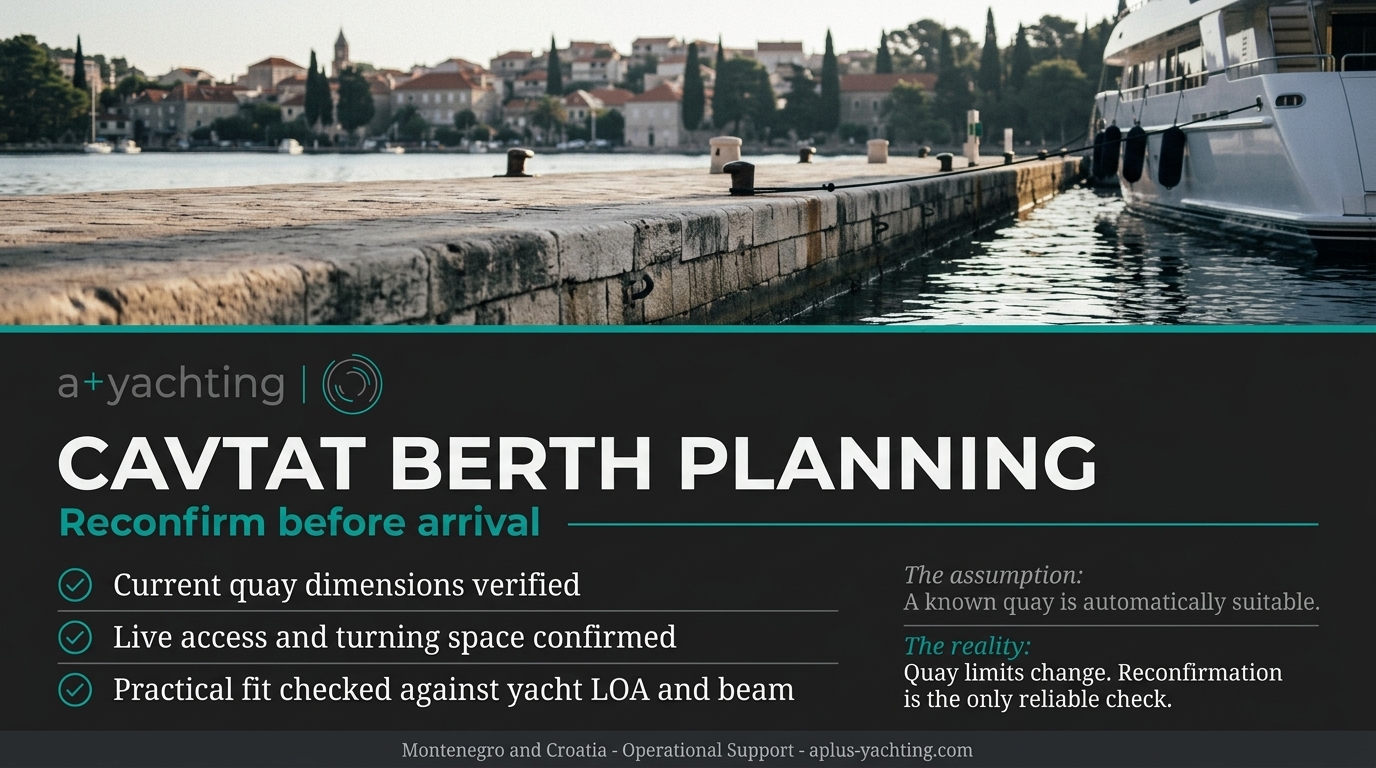
Securing a berth in Croatia often involves planning well in advance due to the high demand during peak season. Fuel logistics also require careful coordination to avoid delays. Montenegro, on the other hand, allows more spontaneous arrangements, but it’s always wise to have a trusted agent who can navigate local networks effectively. This ensures that both your berth and fuel needs are met smoothly across the Adriatic.
Customs Formalities and Provisioning
Customs formalities can vary widely between the two countries. Croatia demands detailed paperwork and pre-clearance arrangements, especially concerning provisioning. Mistakes here can lead to costly delays. Montenegro offers a more relaxed approach, with provisions often more readily available. Understanding these provisioning nuances allows for a more streamlined operation and a better guest experience.
Ensuring Guest Calm During Peak Season
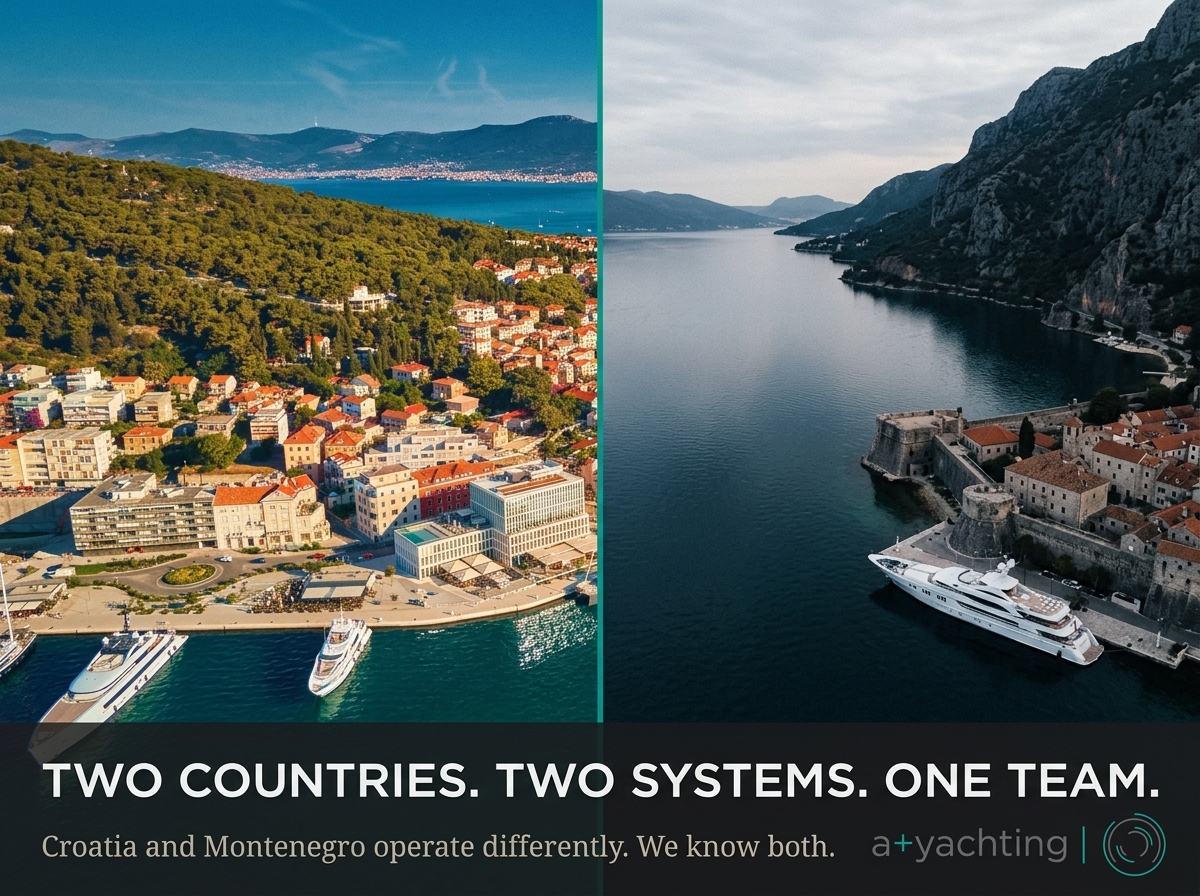
The peak season in the Adriatic is bustling, and maintaining guest calm requires strategic planning and expert coordination.
Crew Changes and Yacht VAT Handling
Crew changes are a critical point where things can go wrong. In Croatia, crew lists need to be managed with precision to prevent clearance delays. VAT handling is another complex area, requiring expert knowledge to ensure compliance. Montenegro offers simpler crew change procedures, but it’s vital to stay informed about the latest regulations to avoid surprises.
Practical Steps for Adriatic Compliance
Adriatic compliance involves understanding each country’s regulations and adapting operations accordingly. This includes everything from securing berth reservations to managing customs documents. By aligning with a local team that understands the intricacies of both Croatia and Montenegro, you can ensure operations run smoothly, and guests remain undisturbed.
One Team for Two Systems
Having one operational team managing both Croatia and Montenegro provides a unified approach that simplifies cross-border operations. This team ensures that all logistical and regulatory requirements are met, allowing captains and crews to focus on providing an exceptional guest experience. The result is a seamless Adriatic journey, free from unnecessary stress and disruptions.
Frequently Asked Questions
Why is yacht clearance different in Croatia and Montenegro?
Each country has its own regulations and processes that reflect their unique legal and operational environments. Croatia generally requires more formal documentation and procedures, whereas Montenegro offers greater flexibility in certain ports.
How can I ensure smooth operations across both countries?
Working with a single operational team familiar with both Croatia and Montenegro helps streamline procedures. They can anticipate and manage the differences in regulations, ensuring a seamless experience for your guests.
What are the key considerations for provisioning in the Adriatic?
Provisioning varies by location, with Croatia requiring more detailed customs paperwork compared to Montenegro. Understanding these differences and planning ahead with a local expert can prevent delays and ensure compliance.